The New Rules of Cold Email: Why Your Old Playbook is Getting You Blacklisted
If you’re still using the 2023 cold email playbook, you aren’t just "missing out" on leads you are actively destroying your brand’s digital reputation.
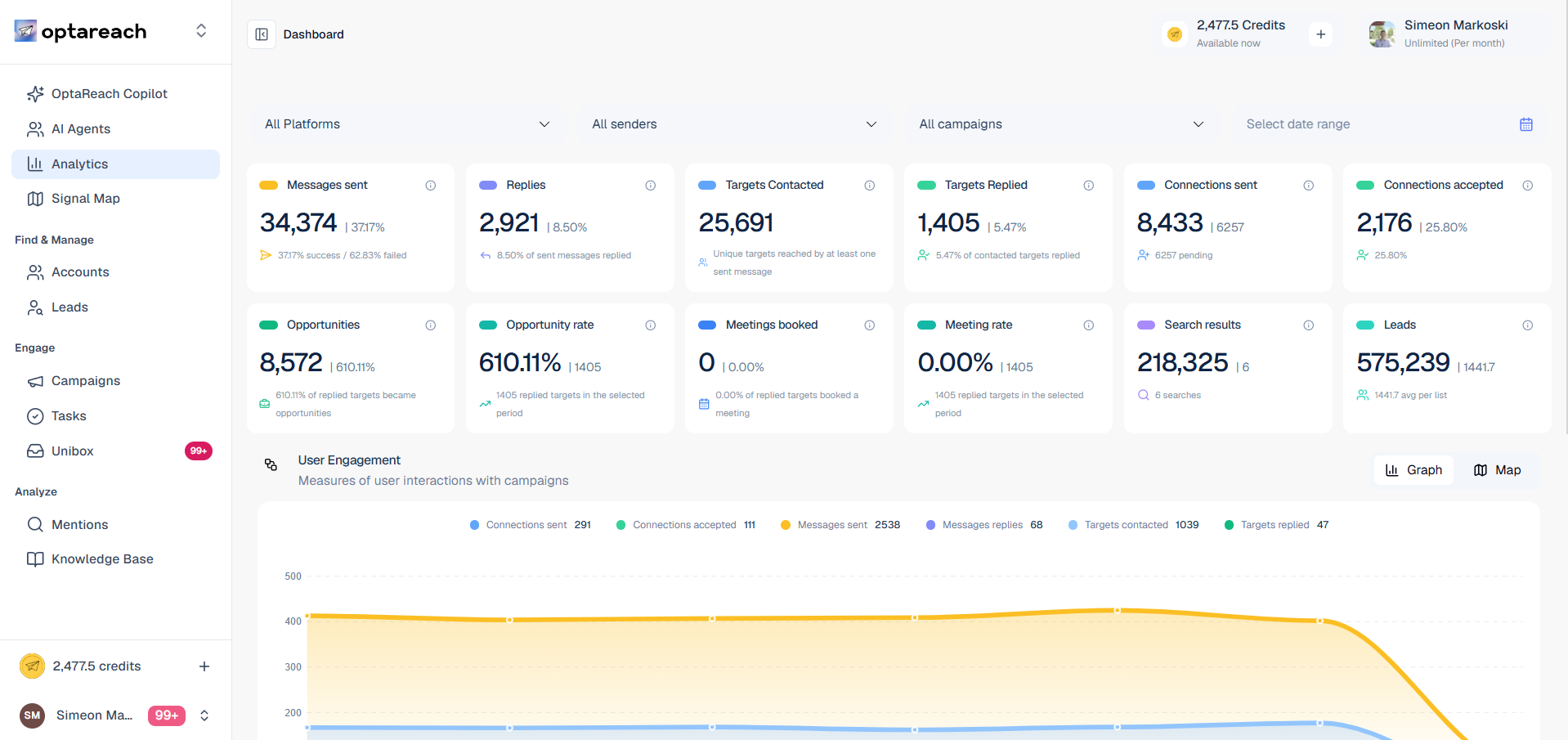
Between 2024 and 2025, the landscape of outbound sales shifted permanently. Gmail, Yahoo, and Microsoft rolled out advanced AI spam filters that no longer just scan for "spammy words"; they scan for behavioral patterns.
At OptaReach, we see it every day: founders sending thousands of emails only to receive zero replies because their domains are effectively "cooked." If you want to scale in 2026, you need to follow the new rules of the game.
- The Infrastructure Rule: Low Volume, High Distribution In the old days, you’d send 200 emails a day from one account. In 2026, that is a one-way ticket to a permanent blacklist. The New Model:
30 Emails Max: Never send more than 30 emails per account, per day. The 5/30 Rule: Maximum of 5 email accounts per domain. Scale Horizontally: You don’t scale by sending more from one account; you scale by adding more domains and more accounts. Separate Your Domains: Never use your primary company domain for outbound. Buy secondary "lookalike" domains to protect your main brand.
- Technical Prerequisites are Non-Negotiable You can have the best copy in the world, but if your technical house isn't in order, you’ll land in the "Promotions" tab or spam folder. Before sending a single email, ensure you have:
SPF, DKIM, and DMARC records fully configured. A 100% Health Score on your sending accounts. A 2-week Warm-up Period for every new account.
-
Relevance is the New Personalization Adding a {First_Name} tag is no longer "personalization" it’s the bare minimum, and prospects can smell a template from a mile away. The industry average reply rate has dropped to 1–5%. However, campaigns that focus on Relevance targeting micro-niches based on intent signals like job postings, funding rounds, or specific company news are seeing 5–10% reply rates. Stop building massive lists. Start building relevant ones. Use intent data to ensure that your offer solves a problem the prospect has right now.
-
The "Three-Touch" Limit The old advice was "the fortune is in the follow-up," leading people to send 7 or 8 emails. In 2026, this behavior trains spam filters to flag you as a nuisance.
Email 1: Initial outreach with a value offer. Follow-up 1: A "bump" of the original email (boosts replies by 49%). Follow-up 2: A final touch with a different angle or urgency. The Drop-off: Data shows that the 3rd follow-up now decreases response rates by 20%, and the 4th by 55%. The Strategy: If they don’t reply after three touches, stop. Recycle them into a new campaign months later with a completely different value proposition.
- The CTA Shift: Sell the Value, Not the Time Asking "Do you have 15 minutes for a call?" is asking for a prospect's most valuable asset before you've earned it. The New Rule: Your Call to Action (CTA) should offer something tangible and free that requires a call to deliver properly.
Bad CTA: "Can we hop on a quick chat tomorrow?" Good CTA: "I've drafted 3 ad headlines for your specific niche. I’d love to walk you through them so you can use them this week are you interested?" By offering a "Lead Magnet" style deliverable, you turn the call from a "sales pitch" into a "value delivery session."
Ready to Scale Your Outbound? Cold email isn't dead; it’s just become a professional’s game. By protecting your infrastructure, staying relevant, and leading with massive value, you can still build a predictable revenue machine.
Looking to automate this process and protect your domain reputation? Visit OptaReach.com to see how we help you scale your outbound without the headache.
Author

We share hands-on outreach tactics, campaign learnings, and product updates to help you automate smarter and build stronger relationships with your audience.